Onidera of idera land, Oba Buremoh charges Universities to encourage research into indigenous African culture
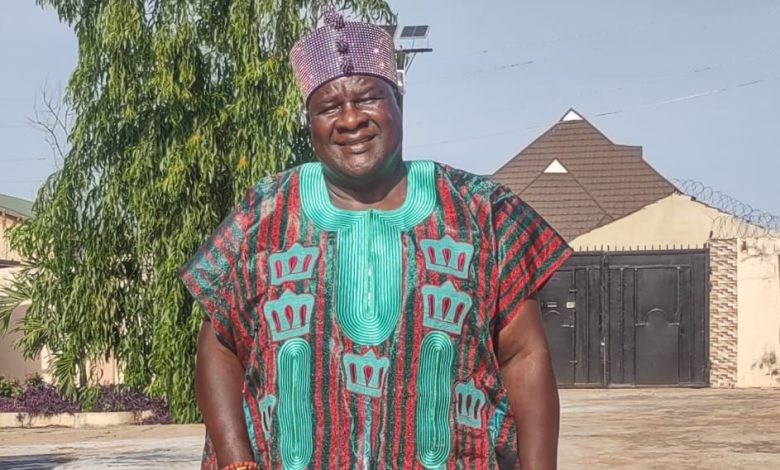
The Onidera of idera land, Oba James Buremoh, has charged universities and other Institutions of Higher Learning in the country to encourage research into indigenous knowledge systems, African history, traditional governance structures, local languages, arts, and cultural practices.
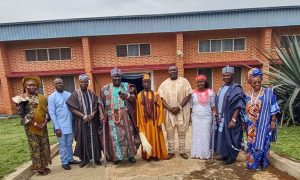
He gave the charge in a paper he presented as the guest speaker at the maiden cultural Day Celebration of Thomas Adewumi University.
In his paper titled” Cultural Heritage As A Tool For National Development And Identity, Oba Buremoh, globally known as
‘Ladies the Africa Tiger’,
described the event as not merely to celebrate culture as entertainment but to recognize culture as the foundation of our identity, the soul of our people, and a powerful instrument for national development.
According to him, culture is more than our attire, music, dance, cuisine, or language, but a people’s way of life just as he described it as the collective wisdom passed from one generation to another and embodies our values, morals, traditions, beliefs, and the principles that guide our interactions within society.
“As Nigerians, we are blessed with extraordinary cultural diversity. From the Yoruba in the South-West, the Hausa-Fulani in the North, the Igbo in the South-East, to the numerous ethnic nationalities spread across the country, our diversity remains one of our greatest strengths.
“Rather than seeing our differences as barriers, we must view them as assets capable of promoting unity, understanding, and national progress.
He posited that while globalization and technological advancement have brought both opportunities and challenges, with the world becoming more interconnected, many young people are gradually becoming disconnected from their cultural roots, with foreign influences increasingly dominating our lifestyles, language, dressing, and even our value systems.
The revered traditional ruler, further explained that gatherings such as Cultural Day celebration are highly commendable because they remind us that modernity should not come at the expense of our identity.
“We can embrace innovation, technology, and global citizenship while remaining proud custodians of our cultural heritage.
“Universities and other Institutions of Higher Learning have a critical role to play in this regard. Institutions of higher learning are not only centres for academic excellence but also centres for cultural preservation and intellectual advancement.
“Universities should continue to encourage research into indigenous knowledge systems, African history, traditional governance structures, local languages, arts, and cultural practices.
“Our ancestors developed sophisticated systems of governance, conflict resolution, agriculture, medicine, architecture, commerce, and environmental management long before modern institutions emerged. There is immense value in studying and adapting these indigenous systems to contemporary realities.
Oba Buremoh encouraged the students to be proud ambassadors of their cultural heritage and learn their local.
languages.
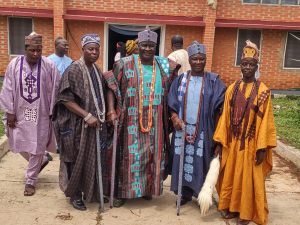
“I want to encourage the students to be proud ambassadors of their cultural heritage.
You should learn your languages, understand your history. Respect your traditions. Celebrate your roots, because the future belongs to individuals who know where they come from and understand where they are going.
“Cultural identity builds confidence. It provides a sense of belonging. It nurtures self-esteem and helps individuals contribute meaningfully to society. A people who forget their culture risk losing their identity, and a nation without identity struggles to define its future.
“Today, I challenge every student here to become a bridge between the wisdom of the past and the opportunities of the future. Let us embrace education without abandoning our identity.
“Let us pursue modernization without discarding our values. Let us celebrate our diversity while strengthening our unity as one nation.
He further argued that culture when well preserved, contributes significantly to economic development, noting that across the world, nations generate substantial revenue through cultural tourism, creative industries, festivals, traditional arts, crafts, fashion, music, and historical sites, even as he said that Nigeria possesses immense untapped potential in these sectors.
“Culture, if properly harnessed,can create jobs, attract investments, promote tourism, and strengthen our economy.
“The creative industry has already demonstrated how Nigerian culture can achieve global recognition through music, film, fashion, literature, and entertainment.
He also charged traditional institutions to always be in the vanguard of promoting the culture of their people as well as preserve their cultural heritage and identity.
“As traditional institutions, we also have a responsibility to preserve our heritage while promoting peace, unity, education, and community development.
“Traditional rulers remain important custodians of cultural values and social cohesion. We must continue to work hand-in-hand with educational institutions and government agencies to build a society where tradition and modernity complement one another.
Oba Buremoh reminded his audience that culture is not merely an inheritance from our forefathers; but a sacred trust placed in our hands for preservation and transmission to future generations.
“Every generation is judged not only by what it acquires but also by what it preserves. The cultural heritage we neglect today may be lost forever tomorrow.
“As young scholars and future leaders, you have a unique responsibility to become ambassadors of our cultural values. In a world increasingly driven by technology and globalization, remain rooted in the virtues that have sustained our communities for centuries.
He also admonished the youths to respect elders because they’re timeless foundation for
responsible leadership and sustainable development and charged Nigerians to rise above ethnic, religious, and regional differences and recognize that the country’s cultural diversity is one of it’s greatest assets.
“Respect for elders, integrity, communal living, hospitality, discipline, and compassion. These values are not outdated; they are timeless foundations for responsible leadership and sustainable development.
“Let us build bridges of understanding, promote tolerance, celebrate our differences, and work collectively towards a peaceful, united, and prosperous nation.
“The greatness of a nation is not determined solely by the size of its economy or the sophistication of its technology. Great nations are those that confidently embrace modernity while proudly preserving their identity.
“They understand that progress without identity leads to confusion, while identity without progress leads to stagnation. The challenge before us is to achieve both.
“Therefore, let us rise above ethnic, religious, and regional differences and recognize that our cultural diversity is one of Nigeria’s greatest assets. Let us build bridges of understanding, promote tolerance, celebrate our differences, and work collectively towards a peaceful, united, and prosperous nation.
He stated that he firmly believes that the future of Nigeria will be brighter when educational institutions, traditional institutions, government agencies, and communities work together to nurture a generation that is intellectually sound, morally upright, culturally conscious, and globally competitive.
Finally, he expressed hope that the maiden Cultural Day celebration will serve as a catalyst for renewed appreciation of the country’s heritage, a platform for cultural exchange, and a reminder that the strength of any nation lies not only in its resources but also in the character, values, and identity of its people.