The Grassroots Revolution: Assessing Ibrahim Gusau’s Impact on Nigerian Grassroots Football Development
By Usolor Kosisochukwu
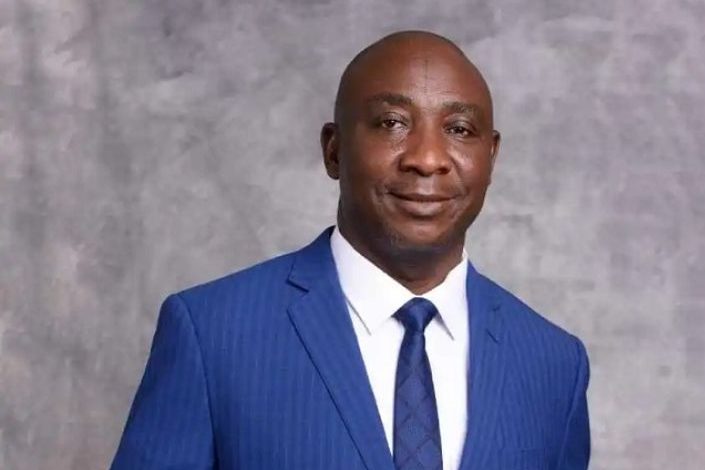
Since assuming office as President of the Nigeria Football Federation, Ibrahim Gusau has steadily redirected attention toward one of the most critical yet often neglected aspects of Nigerian football—grassroots development.
His leadership has begun to shape a renewed structure that prioritizes talent discovery, youth engagement, and sustainable growth from the bottom up.
One of the defining features of Gusau’s administration is the deliberate effort to strengthen domestic football structures, particularly at the amateur and youth levels.
Recognizing that the future of Nigerian football lies in its untapped young talents scattered across communities, schools, and local clubs, the NFF under his watch has supported initiatives that create platforms for these players to be seen and nurtured.
Competitions such as the Nationwide League One (NLO) and grassroots tournaments in the Federal Capital Territory and various states have received increased attention, providing opportunities for young players to showcase their skills.
Gusau’s leadership has also fostered stronger collaboration with state football associations, a move that has helped decentralize football development.
By empowering local football bodies, the NFF has ensured that talent identification is not restricted to major cities but extended to rural areas where many gifted players often go unnoticed.
This inclusive approach is gradually bridging the gap between grassroots football and the national stage.
Another notable impact is the emphasis on coaching education and referee development at the grassroots level.
Understanding that quality mentorship is essential for player growth, the NFF has encouraged training programs aimed at equipping local coaches with modern techniques and tactical knowledge.
This has led to improved standards in youth football, ensuring that young players receive proper guidance from the early stages of their careers.
Furthermore, Gusau’s administration has shown commitment to youth national teams, particularly at the U-17 and U-20 levels. By strengthening scouting networks and organizing camping programs, the NFF has been able to identify promising players early and integrate them into national development pathways.
This has not only boosted Nigeria’s competitiveness in youth competitions but also created a clear progression route for players aspiring to reach the senior national team.
Financial and structural challenges still persist, as grassroots football in Nigeria continues to grapple with limited funding, inadequate facilities, and organizational inconsistencies.
However, Gusau’s approach signals a long-term vision rather than a quick fix. His administration’s willingness to engage stakeholders, attract partnerships, and maintain focus on development rather than short-term results is gradually laying a solid foundation.
In essence, Ibrahim Gusau’s leadership at the Nigeria Football Federation is redefining grassroots football in Nigeria. While the journey is far from complete, the emphasis on inclusivity, structure, and sustainability marks a significant step toward building a stronger football ecosystem.
If sustained, these efforts could usher in a new generation of Nigerian football stars who rise from well-developed grassroots systems to shine on the global stage.
(Usolor Kosisochukwu is the South East Coordinator of the 4+4 Solidarity Forum)