Senior Advocate cautions FG against hasty implementation of new tax law
By Athan Agbakwuru, Owerri
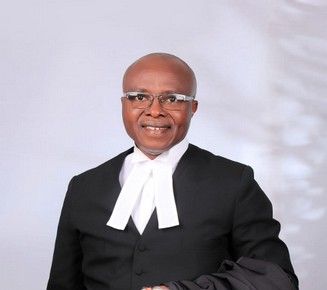
As mixed reactions continue to trail the new tax laws expected to take effect from January 1, 2026 in Nigeria, renowned legal icon, Barrister. Ngozi Olehi, SAN, has observed that unchecked endemic public sector corruption would significantly weaken implementation, reduce revenue mobilization, undermine compliance and deepen public mistrust under the new tax regime.
The Senior Advocate of Nigeria, who noted that while the new tax law’s aim is to modernize Nigeria’s tax system, it won’t achieve the desired result unless strong institutional reforms, transparency mechanisms, and accountability safeguards are put in place.
Addressing journalists in Owerri, Tuesday, Barrister. Olehi, SAN said that strengthening oversight, independent audits and transparent expenditure tracking will be crucial for building trust and ensuring that tax revenues funded under the new tax regime are properly used.
He added that without effective anti-corruption tools such as robust whistle-blower protections and digital systems that minimize discretionary human interactions, corruption risks at tax collection points-from federal revenue agencies to local administrations will be very high and detrimental.
The Imo State born SAN lamented that corruption has deeply eroded citizens’ trust in politicians and public institutions, a factor that breeds unwillingness to comply voluntarily with tax obligations in spite of tax payment being a constitutional duty.
He pointed out that when tax payers believe that revenues are syphoned off or misappropriated they see little reason to pay and this can fuel evasions and non-compliance particularly now that criminals in power and their sophistication in high profile fraud has received global disgust.
The legal luminary further observed that the discrepancies that have been found to exist between the version passed by the National Assembly and the ones gazetted for implementation raise critical legitimacy and integrity questions which inevitably make postponement of the commencement date and thorough investigation of the circumstances of emergence of the said discrepancies justified.
According to him, such a dubious action and the ominous implication of such dastard act should not be taking for granted.
Barrister. Olehi, SAN noted that despite the reforms which aim at unifying levies, longstanding issues like multiple and overlapping taxation particularly at the informal economy may persist if enforcement and unified payment systems are not effectively rolled out across federal, state and local governments.
He therefore advised that the new tax system will require substantial capacity building within the tax authorities and staff of private enterprises.
He observed that while the new tax law is designed to streamline Nigeria’s fiscal framework and broaden revenue base, its success will depend heavily on resolving legal doubts, building public trust, managing compliance burdens, mitigating perceived economic risks and ensuring transparent communication.
In his view dismantling these critical challenges are very tasking and cannot be achieved by January 1, 2026 for the reforms to yield their full benefits to the much needed economic growth and sustainable development.
His words, “The worst challenge presently is, with the stinking corruption antecedents of most public officers right from the presidency to the local government councils, in view of the failure of the government to account for trillions of borrowed funds, considering the failed promise that trillions that would be saved from removal of oil subsidies since June, 2023 would be deployed to develop Nigeria.
“What is the guarantee that the tax reforms’ yield of 4.2% to GDP in additional revenue over time, according to the International Monetary Fund, once fully implemented will not be frittered away, as usual, into the pockets of bandits in power.”