Abdullahi Faults, NSC, NFF Silence as IMC Fails on Supporters’ Unification
By Joseph Odoekwu, KSM
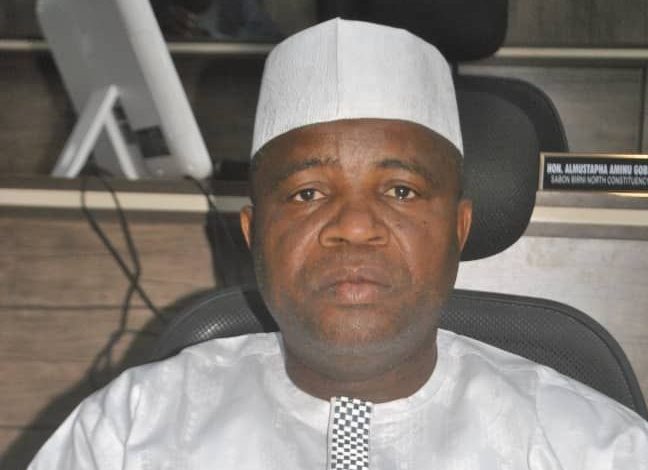
The Majority Chief Whip of the Sokoto State House of Assembly and National Vice Chairman of the Nigeria Football Supporters Club (NFSC), Hon. Zakari Abdullahi, has criticized the continued silence of the Nigeria Football Federation (NFF) and the National Sports Commission (NSC) over the fate of the Interim Management Committee (IMC) set up to unify supporters’ groups.
Hon. Abdullahi expressed concern that months after the expiration of the IMC’s tenure, neither body has provided direction on the next steps, despite the committee’s failure to achieve its core mandate.
The IMC, inaugurated on February 13, 2025, was tasked with harmonizing six recognised supporters’ clubs into a single entity. However, more than a year later, the objective remains unmet, with no elections conducted and lingering concerns over transparency, accountability and leadership.
The initiative was originally conceived to address divisions among supporters believed to be affecting the Super Eagles. NFF General Secretary, Mohammed Sanusi, had earlier cited concerns raised by former captain William Troost-Ekong over the negative impact of disunity on team morale.
Although a Memorandum of Understanding (MoU) was signed by six supporters’ groups, cracks soon emerged, with the NFSC and the Authentic Nigeria Football and Allied Sports Supporters Club (ANFASSC) expressing lack of confidence in the IMC leadership under Prince Vincent Okumagba.
Reacting to the situation, Abdullahi said the silence of both the NFF and NSC raises serious concerns about commitment to reforms within Nigerian football.
“It is unacceptable that after setting up a committee with clear objectives and timelines, the authorities have gone quiet despite its failure to deliver. Nigerian football deserves accountability and direction, not silence,” Abdullahi said.
He noted that while the Bukola Olopade-led NSC intervention in April 2025 outlined clear conditions, including a one-year tenure, mandatory elections and autonomy for existing supporters’ clubs—those guidelines were not followed through.
According to him, the failure to enforce these resolutions has contributed to the current uncertainty.
The division among supporters became more evident during Nigeria’s World Cup qualifier against Rwanda in Kigali on March 21, 2025, where fans appeared in different branded outfits, highlighting the lack of unity.
A reconciliation meeting held on May 31, 2025, at the Teslim Balogun Stadium in Lagos further deepened tensions, amid complaints over the introduction of corporate branding without broad consultation and the inclusion of additional groups outside the original MoU framework.
Abdullahi also pointed to the absence of key stakeholders such as Dr. Rafiu Ladipo, Rev. Samuel Ikpea and Abayomi Ogunjimi at the meeting as an indication that the reconciliation process lacked inclusiveness and credibility.
With the IMC’s tenure ending on February 13, 2026, without elections or a transition plan, Abdullahi said concerns over financial transparency and overall accountability have become more pronounced.
“There must be answers. Stakeholders deserve to know what happened during the tenure of the IMC, especially regarding its finances and why elections were not conducted as agreed,” he added.
He further noted that Nigeria’s failure to qualify for the 2026 FIFA World Cup should not be used as an excuse to abandon the unification process, warning that doing so would undermine long-term development efforts.
As the 2027 Africa Cup of Nations approaches, Abdullahi warned that the absence of a unified supporters’ structure could pose serious challenges for coordination and fan mobilisation.
“If nothing is done, we risk repeating the same mistakes at future tournaments. The NFF and NSC must act now to restore confidence and provide a clear roadmap because all other African countries had their supporters during the FIFA International break windows ,” he said.
For now, the silence from the sports and football authorities continues to fuel uncertainty, leaving the future of supporters’ unification unresolved and raising broader concerns about governance and planning within Nigerian football