Ibrahim Gusau’s Leadership: Driving Stability Across WAFU, CAF, and FIFA Governance
By Christopher Clinton
Abuja
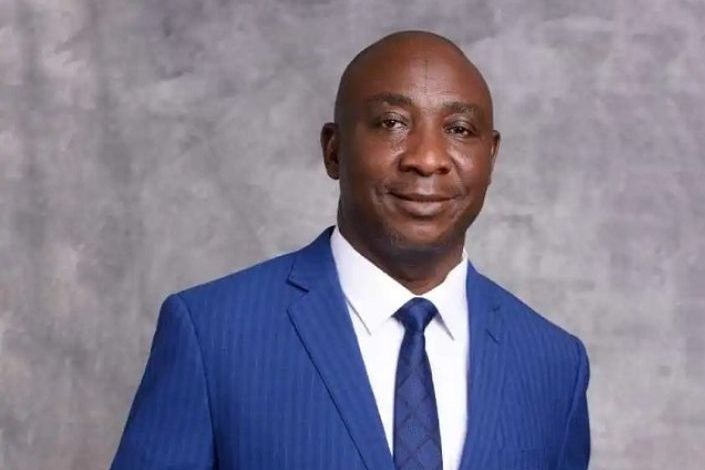
The leadership of Ibrahim Gusau, President of the Nigeria Football Federation (NFF), has played a notable role in stabilizing and strengthening football governance across West Africa and within broader continental and global frameworks.
Since assuming office in 2022, Gusau has leveraged his administrative experience and strategic positioning to influence structures within the West African Football Union (WAFU), the Confederation of African Football (CAF), and the Fédération Internationale de Football Association (FIFA).
At the regional level, Gusau’s involvement in West African Football Union has been central to fostering stability and development.
His election into leadership positions within WAFU-B reinforced Nigeria’s influence and provided continuity in governance.
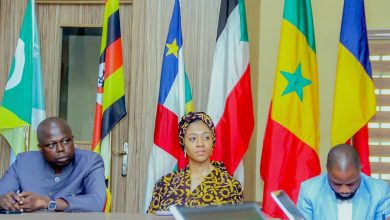
Through initiatives such as capacity-building workshops and technical development programs, Gusau has encouraged collaboration among member nations. For instance, the organization of CAF–WAFU joint workshops in Abuja has enhanced administrative competence and strategic planning among football officials in the region.
These efforts contribute to institutional stability by ensuring that member associations operate with shared standards and knowledge.
Furthermore, Gusau has addressed structural challenges within WAFU, particularly in officiating and grassroots development. His push for improved access to Video Assistant Referee (VAR) technology across the region demonstrates a commitment to modernizing football infrastructure.
By facilitating training and resource mobility, he has helped reduce disparities among West African nations, thereby promoting fairness and professionalism. This approach not only stabilizes competitions but also enhances the credibility of regional football.
At the continental level, Gusau’s engagement with Confederation of African Football has strengthened Nigeria’s role in shaping African football policies.
His participation in CAF committees and development programs aligns with broader efforts to reform governance and improve competition standards.
By supporting initiatives such as women’s football development and administrative training, Gusau contributes to CAF’s objective of inclusive and sustainable growth.
The synergy between NFF, WAFU, and CAF under his leadership has created a more coordinated framework for football administration in Africa.
Globally, Gusau’s relationship with Fédération Internationale de Football Association has enhanced Nigeria’s integration into international football systems. His participation in FIFA-related committees and summits has strengthened ties between Nigeria and global football authorities.
Moreover, his administration has ensured Nigeria’s active involvement in FIFA development programs, which provide funding, technical support, and governance guidelines.
These connections are critical for maintaining compliance with global standards and avoiding governance crises that could destabilize national or regional football.
Importantly, Gusau’s leadership style emphasizes collaboration, capacity building, and institutional reform.
By aligning regional initiatives with continental and global frameworks, he has created a more cohesive football ecosystem.
This interconnected approach reduces administrative conflicts, improves transparency, and fosters long-term stability.
In conclusion, Ibrahim Gusau’s tenure as NFF President has had a stabilizing impact on WAFU, CAF, and FIFA-related engagements.
Through strategic leadership, infrastructural development, and international collaboration, he has strengthened governance structures and enhanced the credibility of football administration in Nigeria and beyond.