

Trade Union Congress Rejects Fed Govt ₦70,000 Transport Allowance For Workers
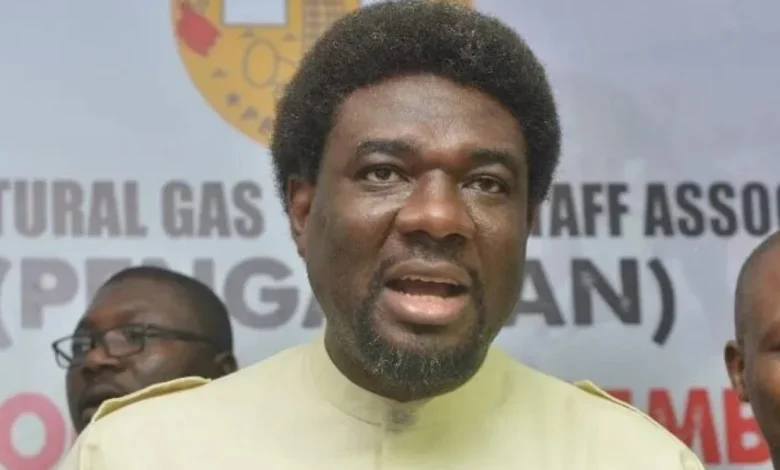
Trade Union Congress of Nigeria (TUC) has rejected the Federal Government’s proposed ₦70,000 wage award, demanding an immediate and sustainable salary increase for workers rather than temporary relief measures it said had failed to benefit all eligible employees.
The Congress also called for the immediate implementation of the outstanding Consolidated Health Salary Structure (CONHESS) adjustment for members of the Joint Health Sector Unions (JOHESU), accusing the Federal Government of failing to honour an agreement that led to the suspension of the unions’ prolonged industrial action.
In a press statement issued on Wednesday and signed by its President, Comrade Festus Osifo, and Secretary-General, Comrade N.A. Toro, the TUC said the government should increase workers’ salaries without waiting for negotiations on a new national minimum wage.
The Congress argued that the absence of a legally prescribed maximum wage meant that the government could increase salaries beyond the existing minimum wage without waiting for another round of negotiations.
According to the TUC, the Federal Government could raise the salary of the lowest-paid federal worker to ₦300,000 and apply the appropriate consequential adjustments to other salary grades.
It cited states that had raised their minimum wages above ₦100,000 as evidence that a more substantial salary increase was possible.
The Congress maintained that negotiations for a new national minimum wage should not become an excuse for delaying urgent salary adjustments amid the rising cost of living.
“Our position was very clear: Federal Government should review and increase salaries of workers,” the statement said.
Explaining its opposition to the proposed wage award, the TUC recalled that the previous ₦40,000 wage award, agreed upon by the Federal Government and organised labour on October 2, 2023, was intended to remain in place until a new national minimum wage was negotiated in 2024.
However, it alleged that the arrangement was not fully implemented, leaving some workers with outstanding payments while others received nothing.
The Congress further complained that some beneficiaries received payments irregularly, with intervals of one or two months and repeated demands required to secure the money.