

US Congress raises alarm over Nigeria’s security, election risks, Tinubu administration
By Goodness Ndukuba, Awka
Members of the United States Congress have raised concerns over Nigeria’s security situation, governance and the credibility of its forthcoming presidential election, warning that the country could face heightened political violence amid growing institutional challenges.
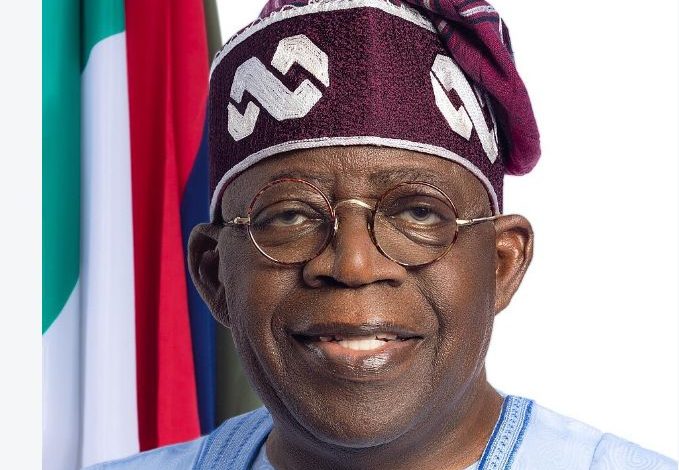
The concerns were expressed during a congressional hearing on Nigeria, where lawmakers examined the country’s security architecture, governance and the role of the administration of President Bola Tinubu in addressing mounting national challenges.
Testifying before the hearing, Frank Garcia, the Assistant Secretary of State for African Affairs, warned that Nigeria’s security institutions remained overstretched, while limited judicial presence in parts of the Middle Belt continued to undermine efforts to address insecurity.
Garcia also identified the forthcoming presidential election, scheduled for January according to the testimony, as a potential trigger for violence.
“Nigeria will hold presidential elections in January, which could spur violence. In addition, Nigeria’s security architecture remains stretched. Its judicial reach into the Middle Belt remains limited, and the resources we can bring to bear are finite,” Garcia said.
The witness, however, maintained that sustained American diplomatic engagement and pressure could help deliver results, particularly when demands were clearly defined and Nigerian authorities were held accountable.
“But when American diplomacy is engaged, when our demands are specific, and when we hold partners accountable in private and public, we achieve results no one else can deliver,” Garcia added.
The hearing also featured concerns from members of Congress over allegations of corruption, governance failures and possible complicity within Nigeria’s political leadership. However, the allegations were not independently established in the testimony provided.
The development comes amid heightened international scrutiny of Nigeria’s democratic institutions, security challenges and preparations for its next presidential election.
Calls have also emerged from critics of the Tinubu administration for the United States government to consider punitive measures, including targeted sanctions and asset seizures, against individuals alleged to be involved in corruption or efforts to undermine Nigeria’s democratic process.
Those making the demands argued that President Tinubu, members of his family, associates and other alleged collaborators should be held accountable where evidence establishes wrongdoing.
They further urged Washington to use available diplomatic and economic instruments to discourage electoral malpractice and protect the rights of Nigerian voters.