Building Sustainable Football: Why Nigerian Clubs Cannot Afford European Pre-season Tours — Idris Animasun
As several South African clubs embark on pre-season training camps in Europe ahead of the new CAF interclub campaign, the contrast with their Nigerian counterparts has once again sparked debate over the state of football financing on the continent.
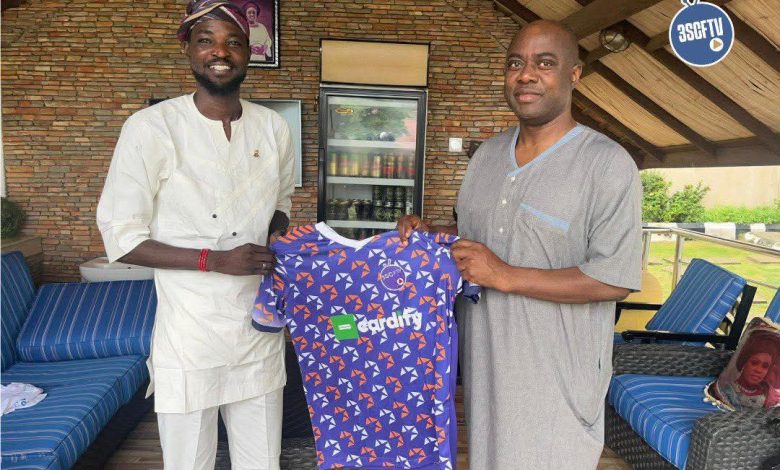
While many Nigerian clubs continue preparations within the country, football analyst and Creative Director of 3SCFANSTV, Idris Animasun, says the disparity is less about ambition and more about financial sustainability.
Reacting to a social media post by Obanajos Continental Footy comparing the pre-season activities of clubs from both countries, Animasun argued that overseas training tours should be viewed as strategic business investments rather than luxury trips.
According to him, European pre-season camps offer clubs opportunities that extend beyond football preparation, including exposure to stronger competition, improved technical development, enhanced player marketability, stronger club branding, commercial partnerships, and networking with scouts, agents, and foreign clubs.
“These tours are not simply about travelling abroad,” Animasun said. “They represent long-term investments that require clubs to have strong financial foundations.”
He noted that the biggest obstacle facing many Nigerian clubs is the absence of sustainable revenue streams capable of supporting such investments.
According to Animasun, operating a professional football club requires much more than recruiting talented players.
He said sustainable success depends on diversified income sources, sound corporate governance, strategic marketing, quality infrastructure, and a commercially driven management structure.
Animasun observed that most Nigerian clubs still depend heavily on government funding, while relatively few generate significant independent income through ticket sales, sponsorships, merchandising, broadcasting rights, and other commercial activities.
Using Shooting Stars Sports Club (3SC) as an example, he praised the club’s supporters for maintaining one of the strongest matchday cultures in the Nigeria Premier Football League (NPFL).
Unlike many football centres where attendance remains poor even when admission is free, he noted that thousands of Shooting Stars supporters consistently purchase match tickets to watch their club.
“Matchday income may seem modest, but administrators understand how important it is in reducing operational costs,” he explained.
Despite attracting average crowds of between 4,000 and 5,000 spectators and charging some of the highest ticket prices among state-owned NPFL clubs, Animasun said the revenue generated remains insufficient to meet the enormous costs associated with running a professional football club.
He listed player salaries, travel, accommodation, security, stadium maintenance, medical services, logistics, media operations, and administrative expenses as major financial obligations that quickly outweigh gate receipts.
Animasun stressed that discussions about football financing must move beyond emotion and politics to economic realities.
“The key question should always be whether these clubs would remain financially sustainable if they were privately owned,” he said.
He also pointed to the commercial structure of South Africa’s Premier Soccer League (PSL) as one of the major reasons its clubs are better positioned financially.
According to him, PSL clubs benefit from stronger broadcasting agreements, lucrative sponsorship deals, merchandising opportunities, commercial partnerships, and more structured revenue-sharing mechanisms, creating greater financial stability and allowing clubs to invest confidently in infrastructure, youth development, player welfare, marketing, and international pre-season programmes.
For Nigerian football to compete at the same level, Animasun believes the NPFL must continue evolving into a commercially attractive football product.
He identified improved television rights, stronger sponsorship acquisition, transparent revenue-sharing systems, enhanced branding, digital engagement, and better fan experience initiatives as essential reforms capable of strengthening clubs financially.
While commending ongoing reforms by the National Sports Commission, Animasun called for broader collaboration involving club administrators, supporters, private investors, broadcasters, marketers, and football business professionals.
“Sustainable reforms are built through collaboration, not isolated decision-making,” he stated.
He further argued that clubs with strong football traditions should adopt bespoke commercial strategies.
Using Shooting Stars as an example, Animasun said the club’s vibrant fan culture and electric matchday atmosphere at the Lekan Salami Stadium present significant commercial opportunities through premium hospitality, merchandising, sponsorship activations, digital content, tourism, and enhanced fan engagement.
He also advocated positioning major domestic rivalries as premium entertainment products capable of attracting national audiences and increased commercial investment.
Animasun expressed disappointment over last season’s NPFL fixture between Rangers International and Enyimba being played behind closed doors, describing supporters as one of football’s greatest commercial assets.
“Football is most valuable when stadiums are full, rivalries are celebrated, and supporters are active participants in the experience,” he said.
Looking ahead, he maintained that regular European pre-season tours will remain beyond the reach of most Nigerian clubs until the domestic football industry develops stronger commercial structures, diversified revenue streams, modern governance, and a genuine football business culture.
According to him, Nigeria already possesses many of the ingredients required to build a thriving football economy, including passionate supporters, abundant talent, historic clubs, and a rich football culture.
“What has been missing is the deliberate institutional and commercial framework needed to unlock that potential,” Animasun said.
He concluded that the conversation should shift from comparing Nigerian clubs with their South African counterparts to developing a football industry capable of making international pre-season programmes commercially viable.
“When football is treated not only as a sport but as an economic sector capable of creating jobs, attracting investment, boosting tourism, developing communities, and strengthening the country’s image, these ambitions will naturally become achievable,” he added.