Senior Advocate decries high cost of elections in Nigeria
By Athan Agbakwuru, Owerri
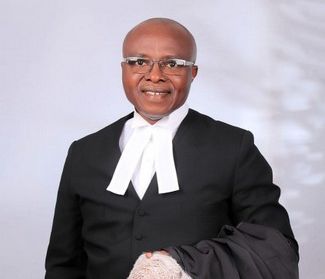
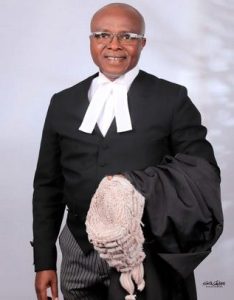
Renowned legal luminary and pro-democracy activist, Barr. Ngozi Olehi SAN, has condemned in unequivocal terms the ever increasing cost of running for elective offices in Nigeria, emphasizing that it contributes significantly to the endemic corruption among elected public officers in the country.
Speaking to our correspondent Wednesday, the Imo-based Learned Silk noted that the ugly trend also results in weakened democratic practice, slower economic development as well as makes it impossible to reduce cost of governance.
He posited that sustainable economic development and minimal multidimensional poverty will be impossible if no genuine effort is made terminate that evil.
His words, “Because high cost of seeking and holding elective office in Nigeria is a significant contributor to corruption, weakened democratic practice and slower economic development, it is impossible to have reduced cost of governance, sustainable economic development and minimal multidimensional poverty if no genuine effort is made to terminate that evil.
“Though it is not the sole cause, high cost of running elections interacts with other structural problems such as weak institutions, poor accountability mechanisms, insecurity and economic inequality.
When a candidate spend enormous sums of money on party nominations, political mobilizations, campaigns, advertising and patronage networks, they view public office as an investment that must generate unprecedented returns on his investment.”
According to him, when costly election processes become a norm, they create incentives for misappropriation of public funds, inflated government contracts, patronage appointments based on loyalty rather than competence and diversion of resources to political supporters.
He added, “High campaign costs undermine democracy by excluding competent patriotic citizens who are devoted to honest service and who would not need wealthy sponsors who expect influence or rewards after elections.
“Direct corruption and public-sector leakages cost Nigeria about 5% of GDP annually while illicit financial flows (money laundering, tax evasion, over invoicing, profit shifting, criminal transfers, etc) cost the GDP 8% annually pointing out that if corruption and illicit flows had been significantly lower since 1999, Nigeria’s GDP, which looses about $18 billion annually would plausibly be tens of percentage points larger than it is currently due to higher investment, better infrastructure and stronger institutions.”
The Senior Advocate, contended that the economic cost of corruption is far larger than the money stolen because it suppresses growth by precipitating lower investment, poor infrastructure, capital flight, lower productivity, brain drain, high cost of doing business and lamented that the greatest loss is the compounded growth that never occurred to transform the lives of the citizens and secure their future as good governance ought to.
Barr. Olehi said that multidimensionaly poor citizens contribute to high cost of running elections by accepting vote buying and demand personal benefits from candidates but noted that they are usually participants in the system created by political elites, parties and institutions that normalize and finance such primitive practices which defeat and deface democratic values and cripple economic development.
He said that citizens who expect private benefits because public services are unreliable while politicians who provide private benefits because they have failed to build trust in public institutions create a virile cycle whereby poverty encourages vote buying and vote buying increases campaign costs which encourage the corruption that worsens poverty making vote buying effective again.
Barr. Olehi, SAN said that if clean citizens who abstain from voting because of the dirtiness they ascribe to politics and governance participate en masse in the electoral process and stop passing the buck, the outcomes will wipe out the dismal features of Nigeria’s democracy that have made Nigeria a laughing stock in the comity of nations.