How Morocco, South Africa Make Millions From FIFA Windows While Nigeria Counts Losses
By Joseph Odoekwu KSM
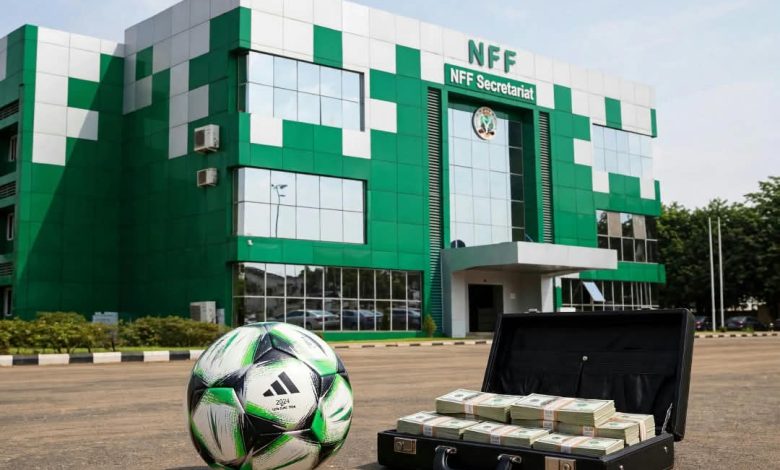
As the Nigeria Football Federation embarks on its much-talked-about reforms, it must also build a deliberate business model to profit from FIFA international windows, rather than relying solely on government subvention to run our national teams.
While Nigerian football fans celebrate Super Falcons victories and wait for Super Eagles fixtures, a silent financial game is being played and lost across Africa every FIFA international window.
A window that should be a cash cow has become a cost centre for Nigeria and most African nations, while countries like Morocco and South Africa are turning the same calendar dates into millions of dollars.
On the part of the Super Eagles, sources have it that their last international friendly with Russia gave them a financial boost of between $500,000 and $600,000 even though they could have earned more.
However, this lucky arrangement is currently being enjoyed by Nigeria because Russia is under a FIFA ban and most European countries will not want to play them. If Russia’s ban is lifted tomorrow, can the NFF hope to enjoy such opportunities again? Apparently not. Russia will seek to play another European country and that could mean bad business for Nigeria.
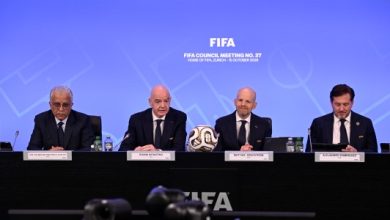
A FIFA international window is the 9-10 day period when FIFA mandates clubs to release players for national team duty. There are five such windows in a calendar year – March, June, September, October and November. For European nations, these weeks are not just about football, they are about business. For many African nations, they are about begging for funds from government.
The European Model: Football As Business
In Europe, no FIFA window is wasted. The system is centrally structured by UEFA to guarantee money.
According to UEFA’s latest financial report, the European body distributed €486.1 million (about $525 million) in the 2024/25 season alone to its 55 member associations for European Qualifiers, Nations League and friendlies. This means whether England beats Italy or loses to Iceland, the English FA is already guaranteed a share of broadcast money because UEFA sold the entire package to TV networks worldwide.
Furthermore, European FAs earn appearance fees. A friendly match involving France, Germany or England commands between $300,000 to $500,000 just to show up. Add ticket sales – 60,000 fans at Wembley paying an average of £40 each is £2.4 million in one night – plus sponsorship activation bonuses from Nike, Adidas and telecom companies, and a single window can generate over $4 million profit for a top European FA.
Even the clubs benefit. UEFA pays clubs €3,845 per player per day during international windows and €10,200 per day during major tournaments as compensation for releasing players. This is why European clubs willingly release their stars. The system pays everyone.
The African Reality: Playing At A Loss
The story is painfully different in Africa.
Most African Football Associations, including Nigeria, do not have a centralized broadcast deal like UEFA. Each of the 54 African nations must individually look for opponents, individually negotiate TV rights, and individually fund the matches.
Investigation shows that the NFF and many of its African counterparts often pay to play instead of getting paid to play. For a typical friendly in Europe, the NFF would be expected to foot flight tickets for 25 players and 15 officials, hotel bills of over $80,000, and match bonuses. The opponents, if they are higher ranked, may demand an appearance fee on top of that. At the end of the window, the Federation returns with a loss of $250,000 to $300,000, with zero income from TV rights or ticketing because the match was played in Lisbon or London where the host promoter keeps gate takings.
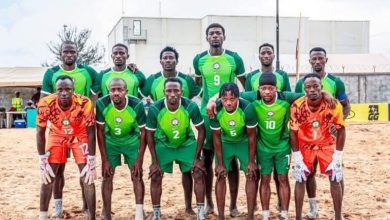
This explains why in some windows, Nigeria has no game at all. When the Ministry of Sports does not release funds, the window closes. The country loses FIFA ranking points, loses visibility for sponsors like MTN and Glo, and loses the chance to test players. The Super Falcons, for example, sat idle for three consecutive windows in 2023 despite FIFA introducing extra financial incentives for member associations that organize women’s international matches.
An African club that releases a player for national duty gets nothing in return. If that player gets injured on national duty, the local club bears the medical cost and loses the player for months. This is why many Nigerian Professional Football League clubs quietly resist releasing their best legs.
The Good Examples: What Morocco and South Africa Are Doing Right
Not all of Africa is failing. Two countries have cracked the code.
Morocco: Since their historic semi-final run at the 2022 World Cup in Qatar, the Royal Moroccan Football Federation (FRMF) has treated every FIFA window as a commercial product. Morocco now hosts high-profile friendlies in Rabat, Tangier and Marrakech against Brazil, Peru and Burkina Faso.
They sell out stadiums, sell broadcast rights across Africa and the Middle East, and have attracted over 15 corporate sponsors. They built world-class training centres so European teams want to come to Morocco to play, paying to use their facilities. Morocco now profits from windows where Nigeria loses.
South Africa: The South Africa Football Association (SAFA), particularly with Banyana Banyana (women’s team), has leveraged FIFA windows to keep sponsors active.
Corporate giant Sasol has been with Banyana for over a decade because SAFA guarantees them visibility in every window – qualifiers, friendlies, and Nations League-style games. SAFA packages its windows and sells to SABC and SuperSport, ensuring steady revenue. When Banyana won WAFCON, their commercial value in the next FIFA window tripled.
Both countries have one thing in common: They plan 9-12 months ahead. By the time Nigeria starts calling for a friendly two weeks to the window, Morocco and South Africa have already signed contracts, sold tickets, and secured sponsors.
What Nigeria Must Learn
If Nigeria must compete financially and not just on the pitch, the Nigeria Football Federation must change its approach:
1. Stop Depending on Government: The NFF must hire a professional commercial agency to sell its FIFA windows globally, not wait for a memo from the National Sports Commission or government agency.
2. Create Value at Home: Instead of always playing friendlies in Europe at a loss, invest in facilities in Uyo, Abuja and Ikenne where other African countries will pay to come and play. Host and keep gate takings.
3. Embrace Women’s Windows: FIFA now allocates special development funds for federations that are active in women’s FIFA windows. Ignoring the Super Falcons windows is throwing away free FIFA money.
4. Push CAF for a Nations League: Africa needs its own Nations League like Europe. If CAF centrally sells a CAF Nations League TV package, every country, from Nigeria to Lesotho, gets a share, just like UEFA does. That will make every FIFA window valuable.
A FIFA window comes five times a year. For Europe, it is five times to make money. For Nigeria and many African countries, it is currently five times to spend money or do nothing.
Until we learn from Morocco and South Africa that the modern game is 70% business and 30% football, we will continue to count losses while others count profits.