NCDMB urges Anambra media to expose oil operators’ non-compliance, spotlight local content opportunities
By Goodness Ndukuba, Awka
The media practitioners in Anambra State have been urged to promote awareness of opportunities in Nigeria’s oil and gas industry and hold operators accountable for compliance with local content requirements.
Obinna Ezeobi, General Manager, Corporate Communications of the
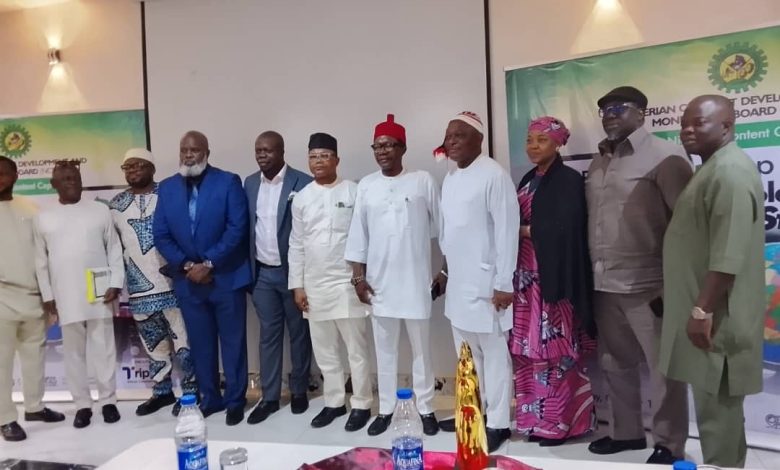
The Nigerian Content Development and Monitoring Board (NCDMB) made the call at a one-day “Building Workshop for Media Stakeholders” in Anambra State on Thursday in Awka.
He also called for improved reporting of Nigerian Content issues to enable more indigenes and businesses in the state to participate actively in the oil and gas value chain.
He said the media had a critical role to play in advancing the implementation of the Nigerian Oil and Gas Industry Content Development (NOGICD) Act 2010 by informing the public about industry opportunities, explaining government interventions and monitoring compliance with the law.
He urged journalists to use their position as agenda-setters and gatekeepers to draw attention to issues affecting the industry, highlight opportunities available to Nigerian businesses and professionals, and ensure that oil and gas operators meet their local content obligations.
According to him, the workshop was designed to deepen journalists’ understanding of the Nigerian Content framework, improve the quality of their reportage and strengthen collaboration between the Board and media organisations in Anambra State.
He described Anambra as an important location for the engagement, addong that the state was recognised as an oil-producing state and ranked the second-highest oil producer in the South-East, with an estimated production capacity of about 3,000 barrels per day.
Ezeobi also cited the presence of prominent indigenous oil and gas entrepreneurs and companies in the state, including Emeka Okwuosa of OilServ and Ernest Nnaemeka Azudialu-Obiejesi, founder of the Nestoil Group, as evidence of Anambra’s relevance to the industry.
He said journalists needed to understand the local content law and NCDMB’s programmes to enable them to inform residents about opportunities for businesses, professionals and communities to benefit from the sector.
Ezeobi recalled that since the enactment of the NOGICD Act and the establishment of the Board in 2010, the agency had recognised the media as a critical partner in implementing the Nigerian Content policy.
He explained that the Act mandated the Board to deploy media and other communication channels, as well as stakeholder engagement, to promote the development of Nigerian Content.
Ezeobi further noted that the Board’s 10-year Nigerian Content Strategic Roadmap, developed in 2017, identified collaboration and stakeholder engagement as one of its key enablers, underscoring the importance of effective communication in achieving the objectives of the policy.
He credited the media with helping to promote Nigerian Content as a national development agenda and influencing other African countries to adopt similar policies.
“Effective communication and stakeholder engagement have also contributed to the Board’s recognition as the best federal agency for four consecutive times in the rankings of the Presidential Enabling Business Environment Council (PEBEC).
On the significance of Nigerian Content to national development, Ezeobi said the policy was aimed at building local human and material capacities, strengthening indigenous businesses, developing technical expertise and expanding Nigeria’s industrial base.
He explained that the policy sought to ensure that more goods and services required by the oil and gas industry were supplied by competent Nigerian businesses, while Nigerian professionals acquired and applied the technical skills needed to compete effectively.
He stressed that strengthening local manufacturing and productive capacity would help retain greater value within the Nigerian economy and create more opportunities for domestic businesses.
The General Manager said the Board had introduced various programmes and interventions to achieve these objectives, adding that participants would receive further information on its mandate, programmes and achievements during the workshop.
He said the event would also feature a panel discussion on Nigerian Content and community development, alongside a session on award-winning journalism and building a purpose-driven career, particularly in reporting technical sectors such as oil and gas.
At the end of the workshop, Ezeobi said the Board expected journalists in Anambra to demonstrate a deeper understanding of local content issues, produce more comprehensive reports on the industry, promote available opportunities and strengthen accountability among operators.
He urged participants to engage actively in the discussions, ask questions, challenge assumptions and share their experiences to ensure that the workshop achieved its objectives.
The engagement is part of NCDMB’s stakeholder collaboration initiatives aimed at sensitising key groups on the Board’s mandate, programmes and opportunities under the Nigerian Content framework.