
2026 August Meeting: Women Are Hallmarks of National, Family Development, Says Onuoha
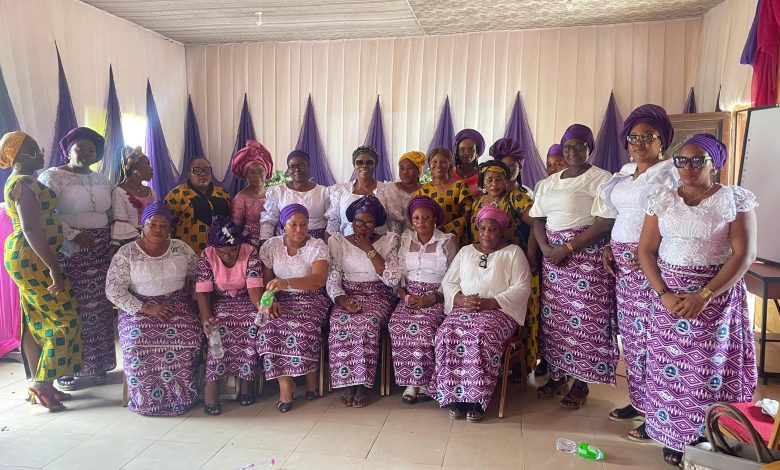
By Everest Ezihe, Ihitte Uboma
Dr. Mrs. Peace Onuoha, an educational expert, has identified women across the world as pillars of family and national development.
Onuoha, who is the Chairperson of Women in Colleges of Education (WICE), South-East Zone, Nigeria, stated this in her keynote address at the well-attended 2026 August meeting of the organisation, with the theme, “Healthy Women, Healthy Home: Ensuring Women’s Wellbeing.”
The meeting was hosted recently by the Benjamin Uwajumogu State College of Education (BUSCED), Ihitte Uboma Chapter, at the institution’s conference hall.
She described the gathering as an important assembly of women educators, scholars, leaders, mothers, mentors and nation-builders, stressing that the wellbeing of women is not merely a personal matter but a family, educational, economic and national development issue.
According to her, “When women are healthy, homes become stronger. When homes are stronger, communities become stronger, and when communities become stronger, nations become stronger and better.”
The educational icon reiterated that Nigeria does not merely need educated women but healthy, confident, informed, economically empowered and emotionally resilient women.
“We need women who can teach without breaking, lead without losing themselves, nurture families without sacrificing their identity and pursue excellence without sacrificing their health,” she said.
Onuoha further canvassed the need to build homes where care is shared, institutions where women are respected and supported, classrooms where girls are empowered and communities where women are safe.
She reminded every woman and girl that they are important, adding that their health, voices, dreams and wellbeing matter greatly in all their endeavours.
The WICE Chairperson also urged women in Nigeria to make five simple commitments: to take their health seriously; protect their mental and emotional wellbeing; build healthy relationships by rejecting violence and every form of abuse; support and uplift other women; and become ambassadors for women’s wellbeing in their homes, workplaces and communities.
Responding, the Acting Provost of BUSCED, Dr. Mrs. Chinyere Nwachukwu, in an extempore address, commended the organisers for choosing the institution as the venue for the 2026 August meeting, assuring them of the college’s usual hospitality and safety.
Nwachukwu also encouraged the participants to engage in healthy and robust deliberations, describing the theme of the meeting as apt, particularly given the importance of women to organisational, family and national development.
She passionately advocated greater attention to women’s education, noting that it is never too late for any woman to acquire education.
The Provost also applauded the Imo State Government, under the leadership of Governor Hope Uzodimma, for its unflinching support and cooperation towards qualitative education in the state.
Nwachukwu recalled what she described as the tremendous achievements of Uzodimma’s Shared Prosperity Administration in the development and transformation of the college, stating that the institution is currently ranked highly among Colleges of Education in Nigeria.
While advising women to take issues concerning their health seriously, especially in view of their significant contributions as mothers, societal role models, institutional builders and nation-builders, she stressed the need for them to remain healthy so that their “labours of love will not be in vain.”
“If your cup is empty as a woman, you cannot pour into others. This is simply a natural law,” she said.
The education administrator further appealed to women to remain passionate about caring for their physical, mental, social and emotional wellbeing, stressing that “life has no duplicate.”
She equally advised them to encourage one another to adopt healthy lifestyles and seek support whenever necessary.
A major highlight of the meeting was a health talk on “Menopause and Breast Cancer,” during which participants were educated on important issues relating to women’s health.
They were informed that menopause is a normal stage of life, while vaginal dryness and painful sex are common conditions that can be treated.
The participants were also encouraged to understand how their breasts normally look and feel and to report any new changes promptly.
They were further informed that a breast lump does not automatically mean cancer, but any new lump should be medically assessed.
The health session also emphasised that healthy living can reduce several breast cancer risks, while early detection, proper assessment and appropriate treatment can save lives.