Nigeria at 66: Obi calls for honest reflection, says nation must confront poverty, insecurity
By Goodness Ndukuba, Awka
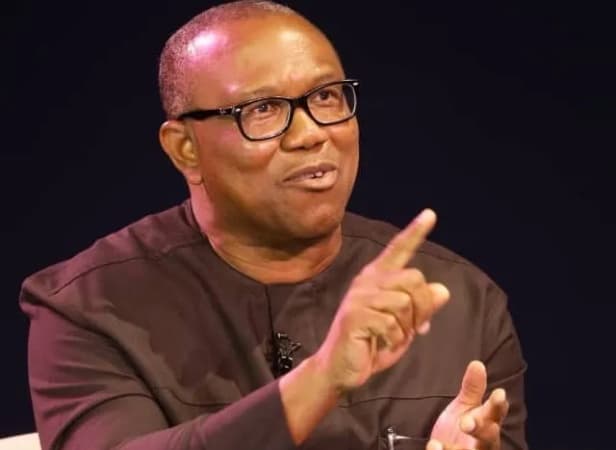
The presidential candidate of the Nigeria Democratic Congress (NDC), Peter Obi, has called on Nigerians to use the country’s 66th Independence anniversary to reflect honestly on the nation’s development trajectory and confront the challenges undermining its progress.
Obi, in his Independence Day address titled “Nigeria at 66: Looking Back, Looking Forward,” said the anniversary should be a day of celebration and thanksgiving to God for Nigeria’s abundant human and natural resources, agricultural potential, diversity and relative freedom from devastating natural disasters.
He also paid tribute to Nigeria’s founding fathers and others who, according to him, made selfless and, in many cases, supreme sacrifices for the birth, survival and growth of the nation.
While acknowledging the contributions of past and present leaders, Obi said Independence anniversaries should not be reduced to ceremonies and celebrations but should provide an opportunity for Nigerians to examine where the country stands and whether it is moving towards the vision of its founders.
He said every serious nation must continually ask three fundamental questions: “Where are we today? Where do we want to be? How do we get from where we are to where we want to be?”
According to him, these questions have become particularly urgent given the challenges confronting the country despite the promises made by the APC-led government in 2023.
Obi listed what he described as some of Nigeria’s most pressing challenges, including widespread poverty, a large population of out-of-school children, insecurity, terrorism, banditry and kidnapping, food insecurity, high infant and maternal mortality, youth unemployment and underemployment, drug abuse and low life expectancy.
He cited estimates indicating that more than 140 million Nigerians live in poverty or severe hardship, while more than 18 million children are out of school. He also referred to the growing number of Nigerians facing food insecurity and the high levels of youth unemployment and drug abuse.
On public safety, Obi recalled the recent killing of 37 young Nigerians, describing the loss of people in their productive years as a painful reminder of the insecurity confronting the country.
He further noted that Nigeria’s reported life expectancy of about 54 years remained significantly below the global average of approximately 74 years, while youth unemployment and underemployment, according to figures he cited, affect more than 35 million Nigerians.
Obi said the situation required “serious, sober and honest reflection,” drawing on the philosophical teaching attributed to Socrates that “the unexamined life is not worth living.”
By the same principle, he argued, an unexamined nation could not successfully chart its future.
“We must therefore ask ourselves: Are we cursed, or have we become the curse through the choices we have made and the failures we have tolerated?” he asked.
Obi rejected the idea that Nigeria was cursed, arguing instead that the country was “immensely endowed and blessed” and that its fundamental problem was not a lack of resources but the failure to convert those resources into human development, productivity, security and shared prosperity.
The NDC presidential candidate also referred to his recent two-day visit to Sokoto State with Senator Rabiu Kwankwaso, where they held consultations with people from different parts of the state on insecurity, out-of-school children, poverty, youth unemployment and drug abuse.
He said the visit concluded with an inspection of the Internally Displaced Persons camp at Ramin Kura in Sokoto metropolis, where he encountered thousands of women and children living in difficult conditions after being displaced from their communities.
According to Obi, many of the children at the camp lacked access to education, while mothers and children had limited access to basic healthcare.
He said the situation was particularly troubling because the displaced Nigerians should ordinarily be living in their communities, attending school, farming, conducting businesses and contributing to the economy rather than living as internally displaced persons in their own country.
Obi said the experience underscored the urgency of confronting Nigeria’s security, education, poverty and human-development crises as the country marks 66 years of independence.